
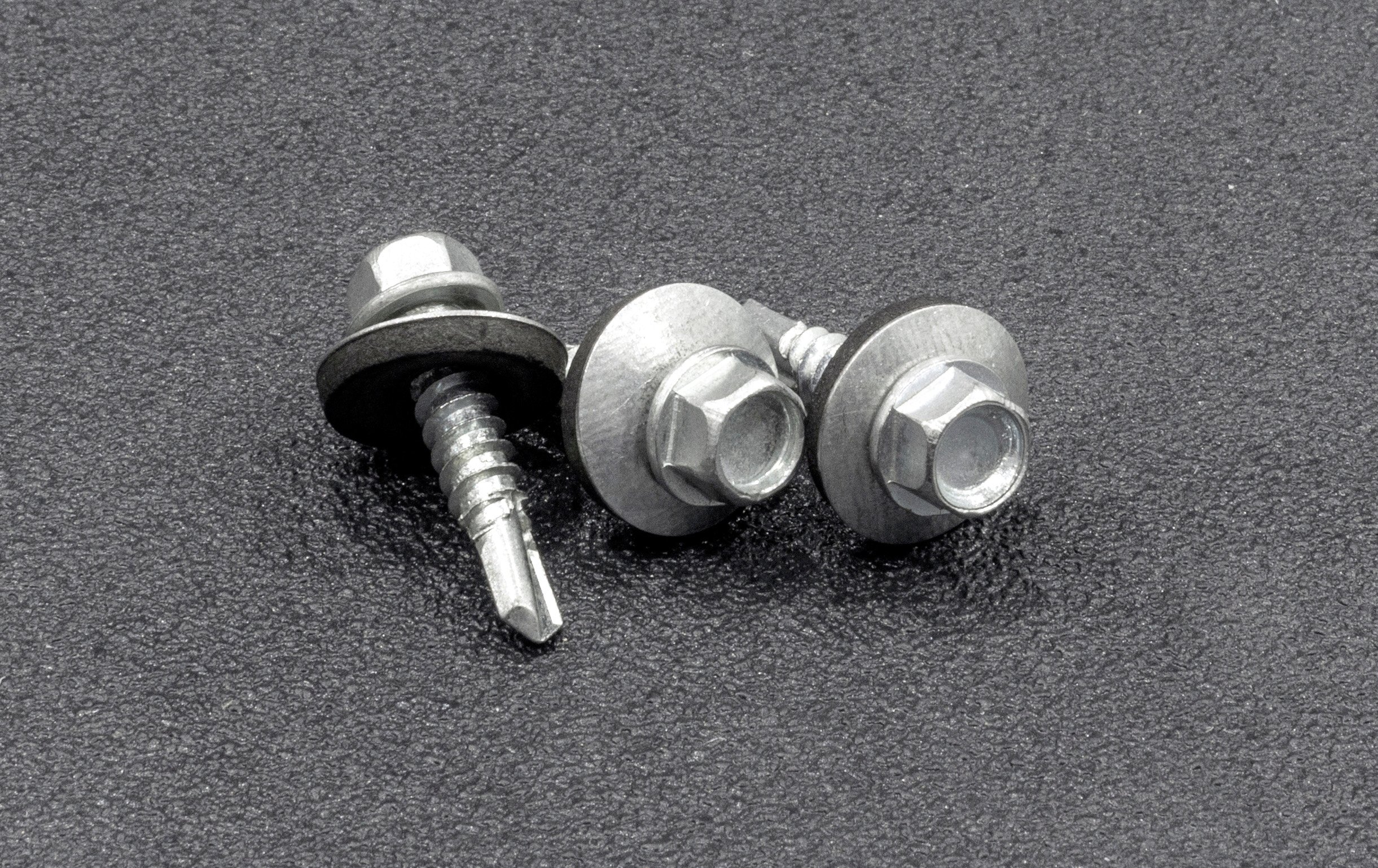
When assembling parts and components, such as a car engine or an aircraft, it’s crucial to consider how the different parts will be held together. Bolts and other fasteners must be tightened to the right torque level to ensure safety and reliability. Torque refers to the measurement of rotational force applied to an object, and the amount of torque you use determines how tight the bolt will be.
And you’d be forgiven for thinking torque is torque, right? Wrong. There are various torque options, and choosing the right one for your application is vital. A ‘soft’ joint can provide more flexibility and may be worth considering over traditional torque joints. In this article, we will explore what a soft joint is, how it works, and why it’s important across many industries.
Understanding soft joints
Correct torque levels are very important in the majority of applications. For example, not enough torque can cause a fastener to work itself loose, which could lead to catastrophic failure. Over-torquing can potentially damage the fastener itself or the components clamped together by it, leading to the stripping of threads, breaking of bolts and other problems that weaken the structure of a joint.
Soft joints are specially made to provide controlled and accurate fastenings. Unlike most conventional types, which are quite rigid and harsh, soft torque joints allow some degree of flexibility and adaptability. This makes them able to withstand shocks and vibrations well. They are best applied where the joint may experience dynamic loads.
How do soft joints work?
Soft joints manage applied forces by combining material deformation and flexibility. The primary factors in a soft joint include design and the materials the joint is made from. Generally, soft joints use materials that are capable of deforming under load, such as soft metals and composites such as rubber or plastics.
Using materials that deform when torque is applied, the joint can compensate for small differences in applied torque while not deforming the assembled materials.
Soft joints follow a step-by-step process:
- Application of torque: When torque is applied, the soft material in the joint starts deforming slightly, which takes up part of the applied force.
- Even force distribution: Deformation allows the force to spread more evenly across a joint. A more uniform spread decreases the potential for damage to both the fastener and the components being joined.
- Absorption of vibrations: The flexible nature of the joint allows it to absorb vibrations and shocks. This prevents vibrations from loosening or damaging the fastener, ensuring a more secure connection.
- Return to original shape: Once the load or torque is removed, the material of the joint returns to its original shape. This ensures that the joint remains secure and reliable over time.

When are soft joints used?
Soft joints can be used in many applications to improve safety, reliability and efficiency. They are a vital part of the torque process across a wide range of industries. Some examples of industries that use soft joint applications include:
Automotive
- Part assemblies: Soft joints are an integral part of car manufacturing. They apply the precise level of torque during assembly, which is crucial to ensuring reliability and safety with highly critical components such as engines and suspensions.
- Engine and suspension systems: Soft joints help avoid component failure or poor performance due to over or under tightening.
Aerospace
- Vibration absorption: During flight, the aircraft is subjected to tremendous vibrations, dynamic loads and temperature changes. Soft joints absorb these forces, keeping the aircraft’s structure as it should be.
- Fastener reliability: These joints prevent fastener failure by keeping the connections tight, even under harsh operating conditions.
Manufacturing
- Machinery and equipment: Manufacturing equipment runs under vast loads and speeds. Soft joints hold the fasteners together, reducing the chances of equipment failure. It also helps achieve high levels of efficiency.
- Enhanced efficiency: Soft joints reduce the amount of maintenance required and help eliminate unplanned downtime, enhancing manufacturing efficiency.
Construction
- Structural components: These components have to withstand different kinds of loads and environmental conditions. Soft joints help such structures remain flexible but strong.
- Load Management: Soft joints control load and equally distribute it among the structural parts, avoiding overworking and damage.
Other applications
- Renewable energy: Soft joints are used in wind turbines and solar panels, where the system should manage dynamic loads and environmental stresses equally.
- Electronics: They are used in the assembly of electrical gadgets, especially when precision in the application of torque is needed to avoid damage to the soft components.
- Medical devices: Soft joints in medical devices ensure the connection is reliable and safe, especially under repeated motion.
The benefits of soft joints
Soft joints provide many benefits over traditional joint methods. They ensure safety as there is no risk of over-torquing. This helps to minimise risks of damage and potential failure of critical applications.
They also contribute to the life of fasteners and the parts being secured. This prevents the parts from being subjected to high levels of stress, which helps reduce the need for repairs and replacements. This helps improve reliability and reduce downtime.
Using soft joints helps operators to confidently apply the correct amounts of torque without fear of damaging fasteners and components. These higher levels of precision can also help improve quality.
Fewer failures and extended life of the components result in minimal maintenance and repair costs, making them a cost-effective choice.
Crane Electronics, experts in torque management
With more than 50 years of experience improving quality, maintaining accuracy and maximising reliability in manufacturing environments, Crane Electronics is a global leader in torque engineering.
We are committed to improving the quality, safety and efficiency across manufacturing industries worldwide by providing bespoke torque management solutions, including various high-precision torque wrenches.
Our products and services offer complete traceability and help increase productivity, ensuring our customers can achieve consistently accurate results and mitigate the risks of torque relaxation.
For more information about our ranges of torque measurement solutions or for any assistance with our products and services, please contact Crane Electronics on 01455 25 14 88 or email sales@crane-electronics.com.