
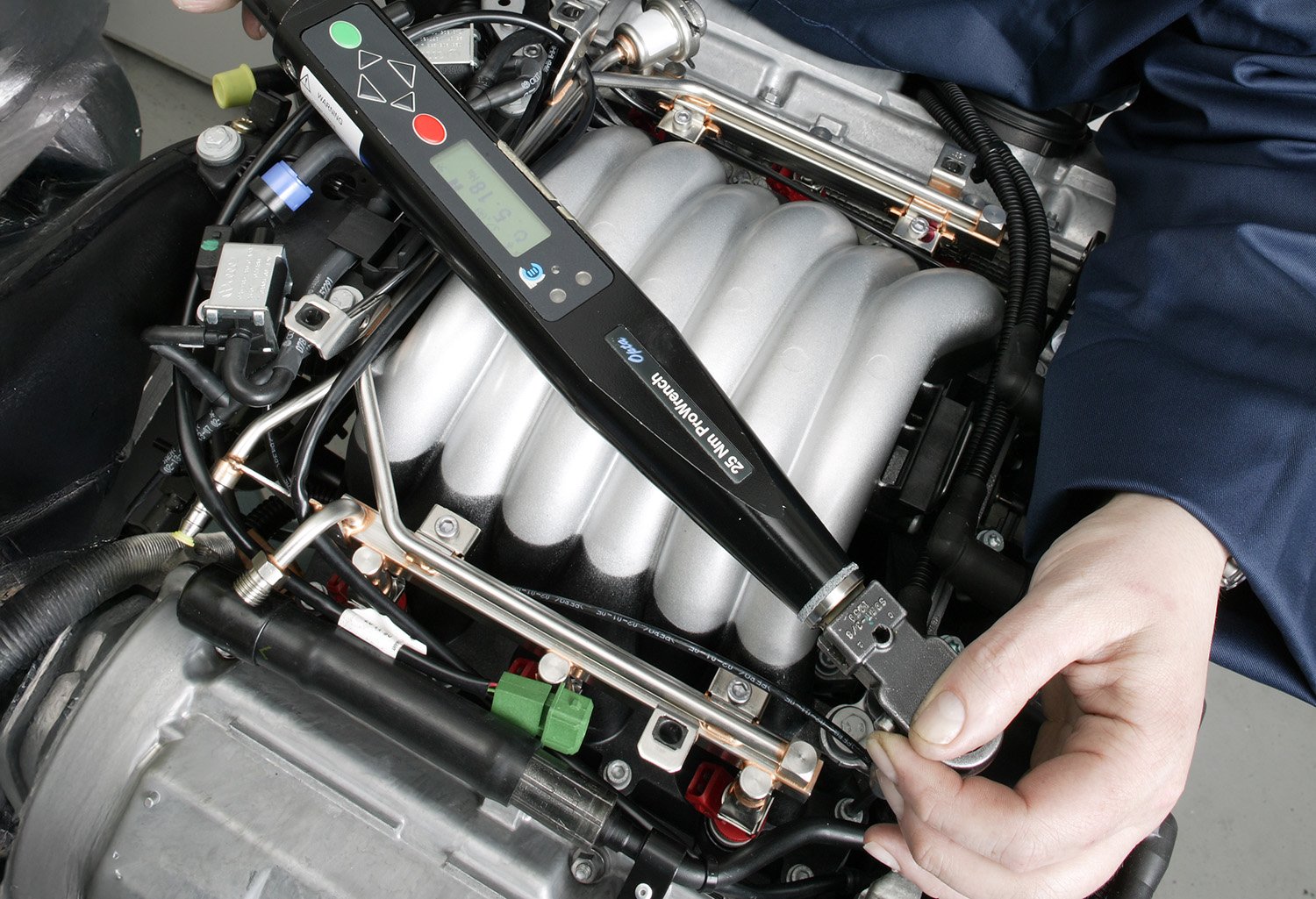
Digital torque wrenches are transforming how engineers, manufacturing and maintenance technicians ensure precision, safety and reliability. They deliver the confidence that every fastener is tightened to the correct specification.
Despite the clear benefits of digital torque wrenches, there are some common misconceptions about them. These common myths often stem from assumptions about how digital tools work. In this article, we break down these myths and uncover the truth about digital torque wrenches.
Myth 1:
Digital torque wrenches are less accurate than click torque wrenches.
This is perhaps the biggest misconception, and it couldn’t be further from the truth. It is believed that click torque wrenches are more accurate, but they rely on the operator applying the correct amount of force and interpreting when the correct torque level has been reached.
Fatigue, lighting and even the tool itself can lead to errors that skew the results. But a digital torque wrench is built to remove that uncertainty, delivering results you can trust and rely on. They use electronic sensors to measure torque with exceptional accuracy, typically within ±1% or better (±0.25% for the WrenchStar Multi). Many also include on-screen feedback to guide the operator.
In high precision industries such as aerospace and automotive, where every single bolt must meet a specific torque value, digital tools help maintain the precision that click wrenches simply can’t match. The combination of accuracy, repeatability and added data logging capabilities makes them an essential part of any modern assembly or maintenance process.
Digital torque wrenches can help:
- Deliver consistency across every fastener
- Reduce the risk of under- or over-tightening
- Ensure reliable quality control data
- Keep traceable records for audits and safety standards
Myth 2:
You don’t need to get your torque wrench regularly calibrated.
Another misconception that many believe is that your torque wrench never, or hardly ever, needs calibrating. Whether it’s a click or digital torque wrench, it will need regular calibration and maintenance to keep it as accurate as possible. As a measuring instrument, your precision tool can drift out of calibration over time.
Temperature changes, how your torque wrench is stored, mechanical wear and handling can all affect the performance of your tool. Digital torque wrenches are often more stable than their manual counterparts, but they still need regular calibration to maintain accuracy and compliance.
Your torque wrench manufacturer will usually give clear advice on how often calibration is needed. For most digital torque wrenches, this is every 12 months or after a certain number of uses, whichever comes first. If you use your tool every day or in demanding conditions, you may need to have it calibrated more often.
Regular calibration of your digital torque wrench can help ensure:
- Accurate readings
- Compliance with industry standards
- Early detection of performance issues
- Robust quality assurance data
Keeping your torque wrenches calibrated can save time and money further down the line. If you fail to regularly calibrate your torque measurement equipment, you increase the risk of component failure.
Myth 3:
How you store your torque wrench doesn’t matter.
Our final myth is that it doesn’t matter how or where you store your digital torque wrench. In reality, it makes a big difference. The way you look after your tool affects how well it performs and how long it lasts. Whether it’s manual or digital, storing it properly helps protect the internal parts and keeps it accurate between calibrations.
The best way to store your digital torque wrench is in a protective case or secure tool box. These are designed to provide a clean, dry environment that protect the tool from knocks and keep it away from humidity. Ensure the device is switched off when you store it and remove the batteries if you’re not planning to use it for a while.
Taking a little extra time to care for your torque wrench can help extend its lifespan and maintain its calibration for longer. Looking after your tools in this way can help reduce the cost and inconvenience of downtime, repairs and replacements.
Not storing your digital torque wrench correctly can lead to:
- Corrosion or damage from moist or humid conditions
- Contamination from dirt, oil and debris
- Electronic faults caused by extreme hot and cold temperatures
- Strain on springs or sensors if the tool is left under load
When calibrated and stored correctly, digital torque wrenches can deliver accurate measurements for many years.
Looking for digital torque wrenches?
If you’re exploring digital torque wrench options, Crane Electronics offers a proven range of high-accuracy tools trusted across global manufacturing and engineering sectors. Our digital torque wrenches are designed to deliver precision, repeatability and robust data capture – helping you maintain full confidence in every fastening.
Browse our product range online, or contact us to discuss your requirements with a friendly member of the Crane Electronics team. We’re here to help you choose the right solution for your application.